
Menstrual Movers: Voices from the Front Line
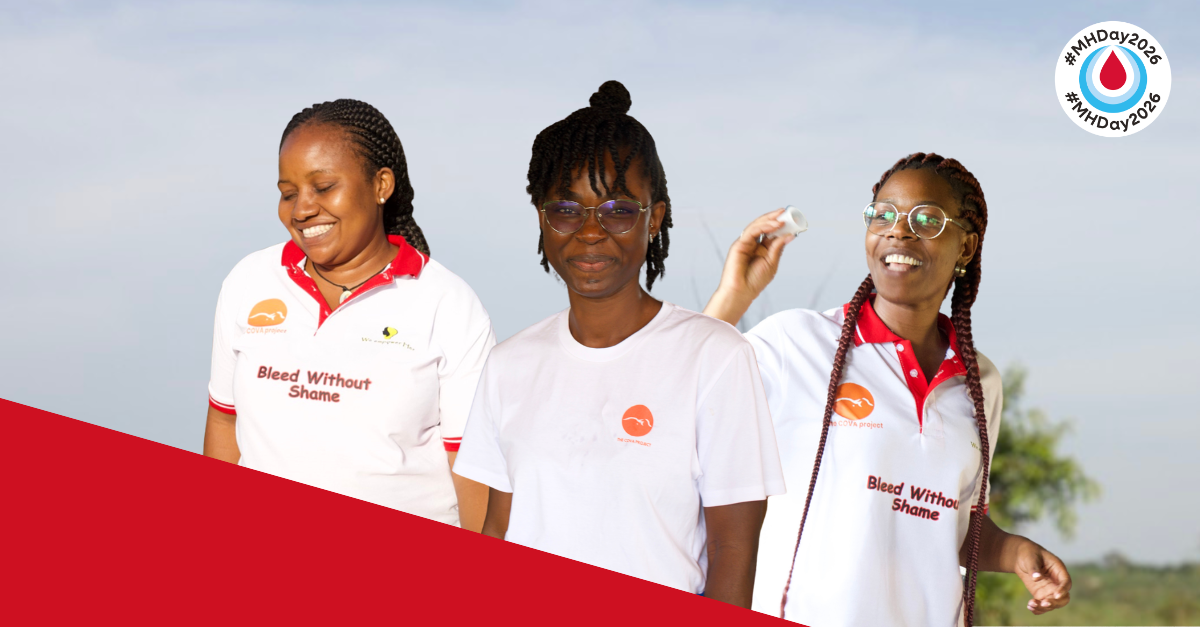
Every year on May 28, the world pauses to acknowledge Menstrual Health Day. And every year, I find myself thinking the same thing: we are still not saying it loudly enough.
Menstrual health is not a niche issue. It is an education issue, an economic issue, a human rights issue — and a development issue that most of the world is still choosing to ignore. The cost of that inaction, in lost school years, lost confidence, and lost potential, is something we can no longer afford to quietly accept.
This year, we wanted to do something we don’t do enough of: hand the microphone over. Not to experts behind desks, but to the women doing this work on the ground, in their communities, every single day. They come from Uganda, Ghana, Liberia, and the DRC. Some have lived experience of period poverty so profound it shaped the entire course of their lives. All of them have made it their mission to make sure the next generation of girls doesn’t have to carry the same burden.
Read their words carefully. Across different countries, different languages, different contexts, the message is the same. And then ask yourself what you’re willing to do about it.
Geena Dunne, CEO The Cova Project
Meet the Menstrual Movers
Five advocates. Five countries. One undeniable connection.
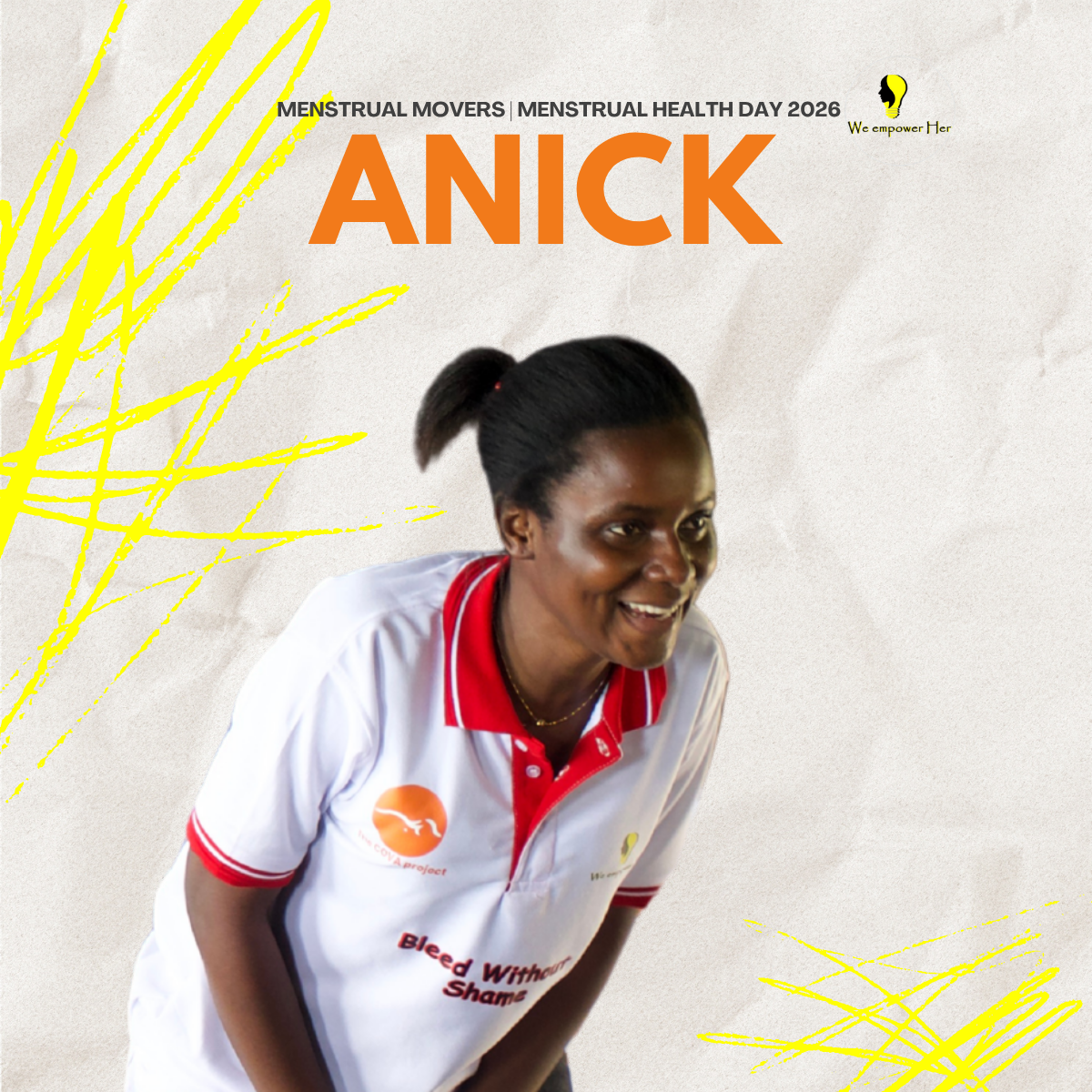
Name: Anick Masonga
Organisation: We Empower Her • Country: Uganda • Nationality: Congolese
✱ I’m personally passionate about MHM, because I’ve seen how period stigma affects girls’ education and both women and girls’ confidence. Then I knew empowering them with menstrual health knowledge and resources can unlock their full potential and break that lack of confidence.
“Menstrual health is a human right. Let us make it accessible to all.” — Anick
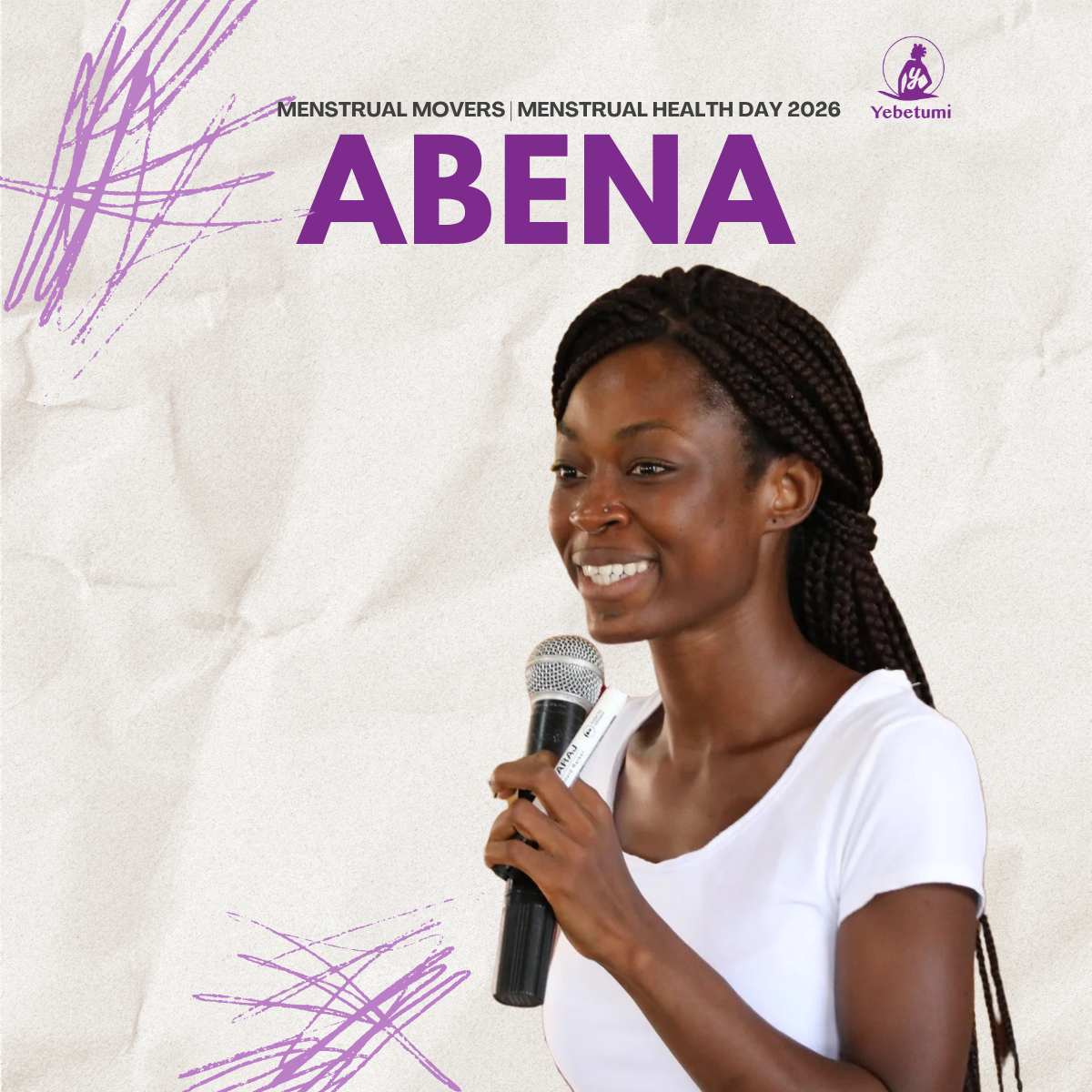
Name: Abena Benewaa Fosu
Organisation: Yebetumi • Country: Ghana
✱ I am passionate about MHM because I’ve seen first hand the adverse impact of period poverty. I’ve seen rural women and girls especially use materials as unhealthy as old newspapers to manage their periods. I’ve seen girls drop out of school either because they can’t afford period products or because they got pregnant from exchanging sex for money to buy pads.
“Everyone must care about menstrual hygiene management because it is directly linked to global development. Healthy and educated women and girls equals thriving societies.”
— Abena
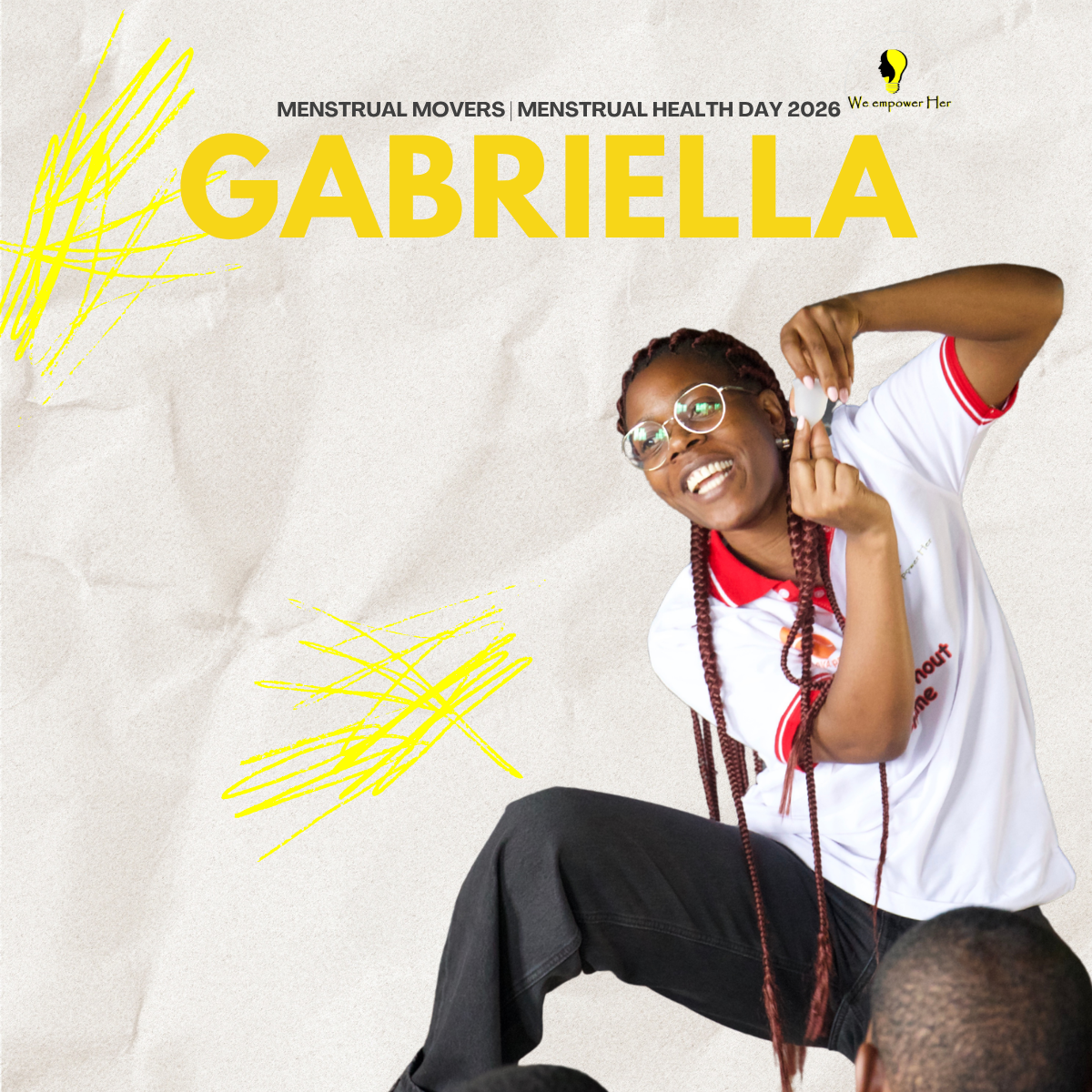
Name: Gabriella Amini
Organisation: We Empower Her • Country: Sweden • Nationality: Congolese
✱ As a refugee in Nakivale I experienced what it means to go through your period without proper products or information, and I watched the same lack push other girls into abuse while no one dared to speak out about it. That lived experience is what drove me to get deeply involved in MHM — because I know exactly how it feels to be a girl in a vulnerable community where your period can cost you your dignity, and even your life.
“A girl who can manage her period properly and understand her rights is less vulnerable to exploitation. That’s why we must all stand and care for the wellbeing of girls in vulnerable communities.”
— Gabriella
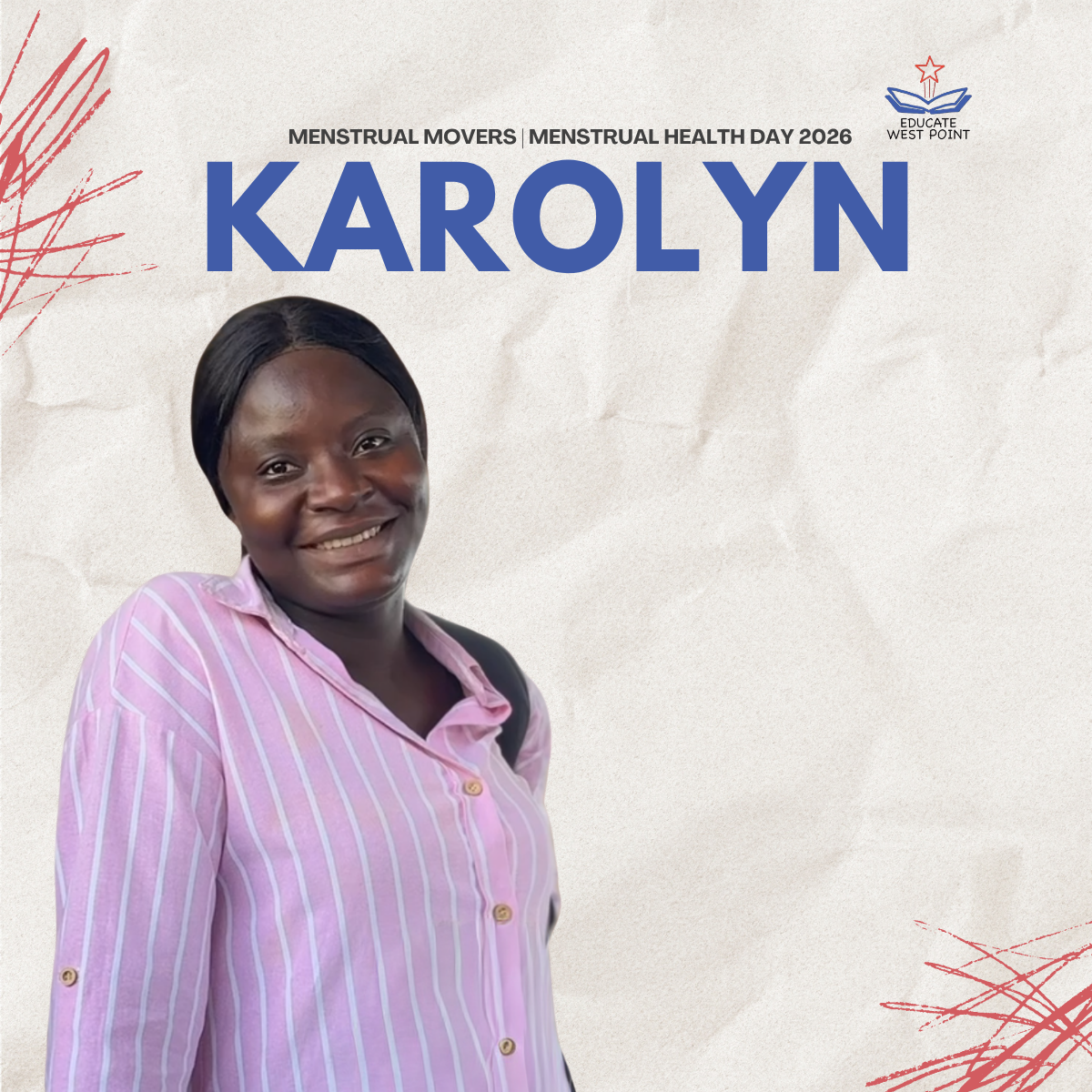
Name: Karolyn Konton
Organisation: Educate West Point • Country: Liberia
✱ I am passionate about menstrual health management, because many women and school-going girls in my community still lack access to accurate menstrual education, information about safe sanitary products, and supportive spaces. This is a challenge that inspires me every day, especially seeing how stigma and limited resources continue to affect confidence, education, and opportunities within our communities.
“People should care about menstrual health because it directly affects the dignity, health, education, and opportunities of women and girls in every community.”
— Karolyn
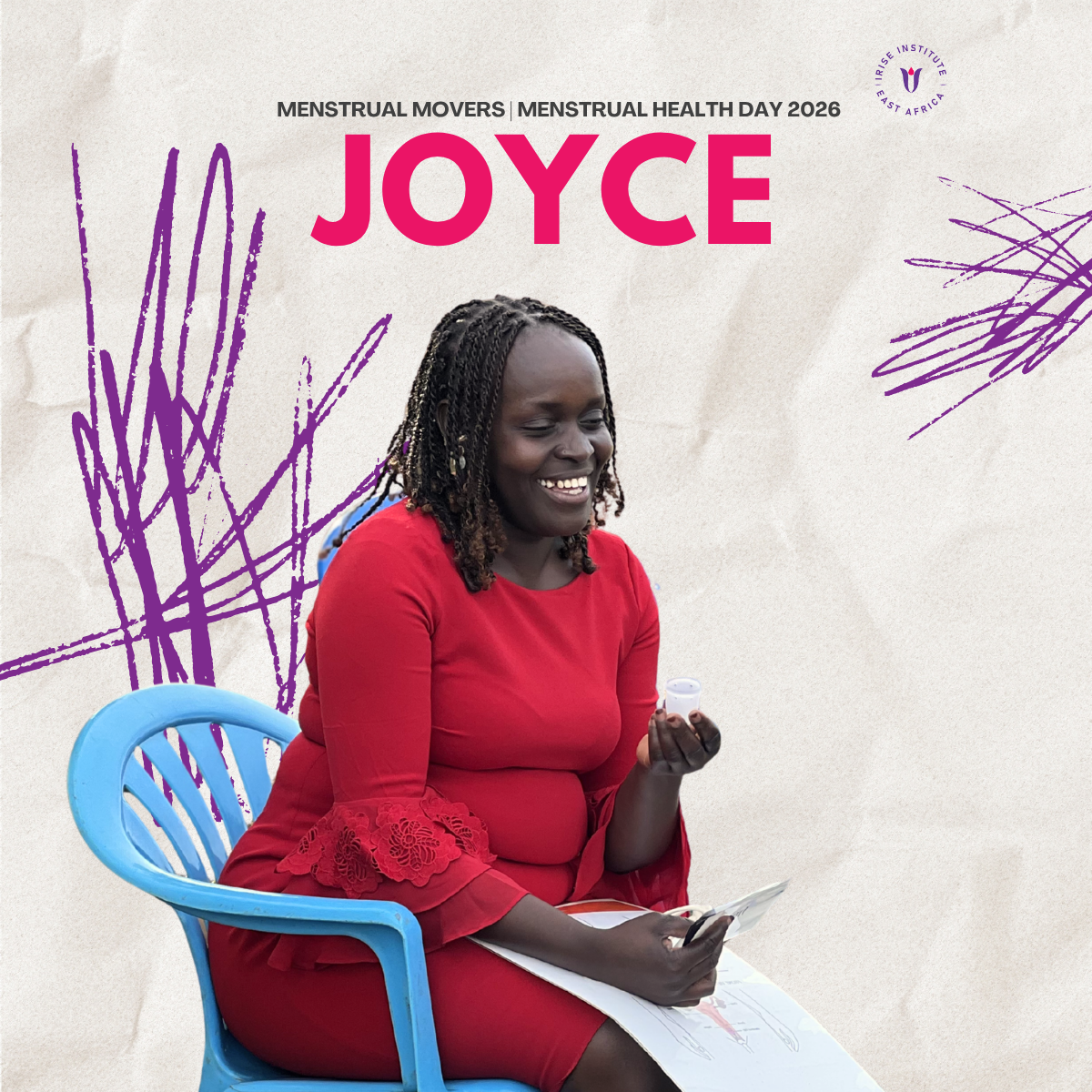
Name: Joyce Akello
Organisation: Irise Institute East Africa • Country: Uganda
✱ I am driven by the desire to support the underprivileged girl to thrive and achieve her best in the future — unlimited by periods. Because of stigma, I grew up in isolation during periods. I was scared and terrified every month, and no one talked to me about periods. This drives me every day to support girls so that they don’t have to go through the worst of what I went through.
“People should care about MHM because it’s a right. No girl chooses to be a girl, and therefore it should be treated as every person’s concern. Because if mishandled, it can lead to negative outcomes like transactional sex, unwanted pregnancy, and early marriages.”
— Joyce
Take Action
These are women who have turned their experiences into action, and who are asking the rest of the world to catch up.
If their words have moved you, there are things you can do right now. Share this post. Talk about menstrual health openly and without shame. And if you’re in a position to, donate $7 to give a girl a menstrual cup that will last ten years.
Because every girl deserves to go to school. Every girl deserves dignity. And every girl deserves a future that her period cannot take from her.
