
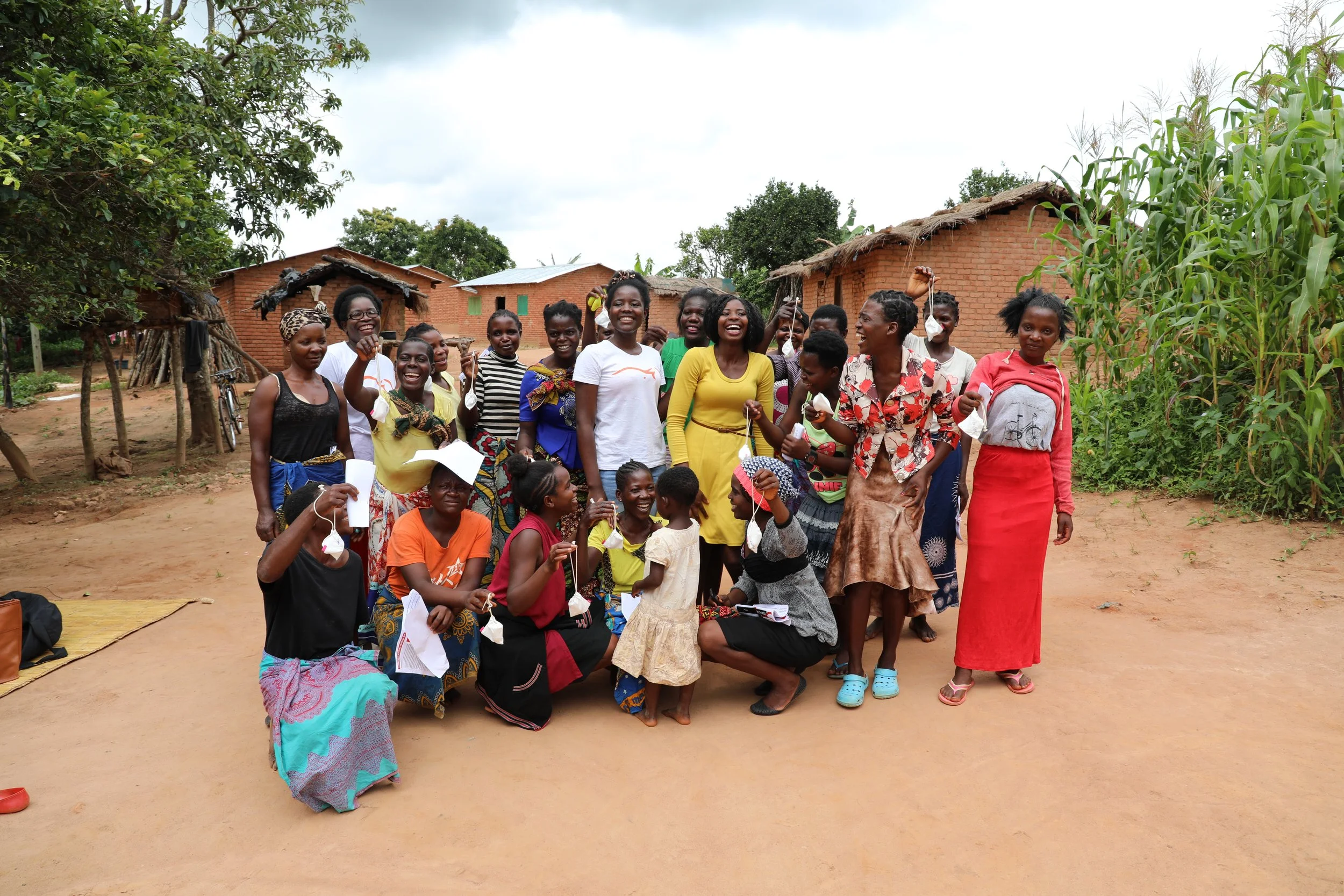
Less than 2% of all philanthropic funding goes to women and girls. In a world where women comprise half the global population, bear the brunt of poverty, climate change, and conflict, and demonstrably deliver outsized returns when invested in, that is economically catastrophic and environmentally shortsighted.
On International Women's Day 2026, as we witness a global rollback of women's rights and a retreat from DEI commitments, it's more urgent than ever that Australia's philanthropic leaders step up and lead the charge.
The returns on investing in women and girls aren't theoretical, they're proven, documented, and meaningful. Educating girls is the highest-return investment available in the developing world. Research shows that closing the education gap for girls could add up to $30 trillion to the global economy. For every additional year of secondary education a girl receives, her future earnings increase by 10-20%. Not educating girls costs countries between $15-30 trillion in lifetime productivity and earnings.
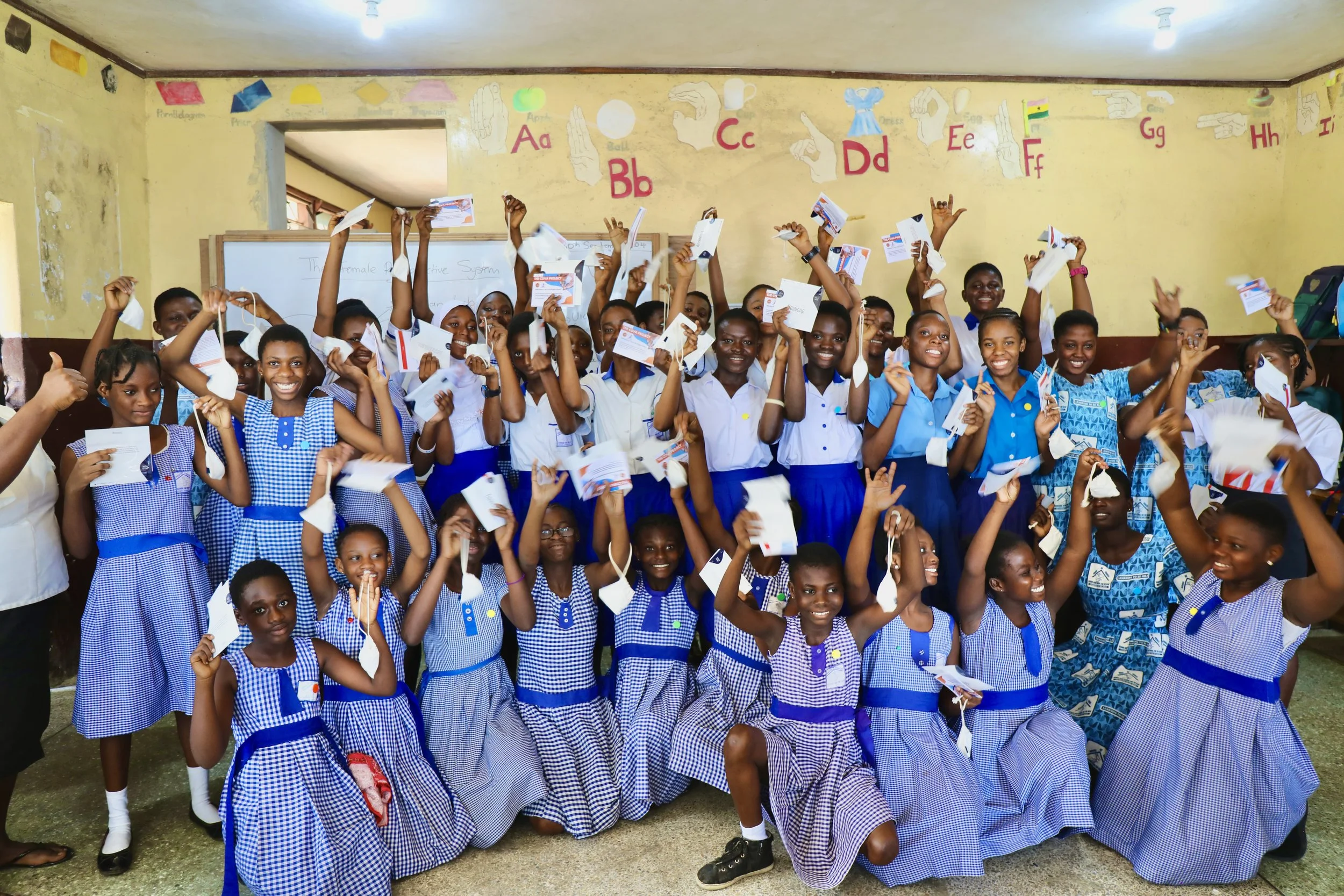
When a girl completes her education, the ripple effects transform entire communities. Educated women reinvest 90% of their income into their families, compared to 35% for men. When we sit down with girls who've received menstrual cups through The Cova Project and ask for feedback, every single one says the same thing: "More cups for more girls.”
These girls get it. They understand that empowerment isn't selfish, it's collective. When one girl succeeds, she reaches back to pull others up with her. These attitudes create sustainable pathways out of poverty.
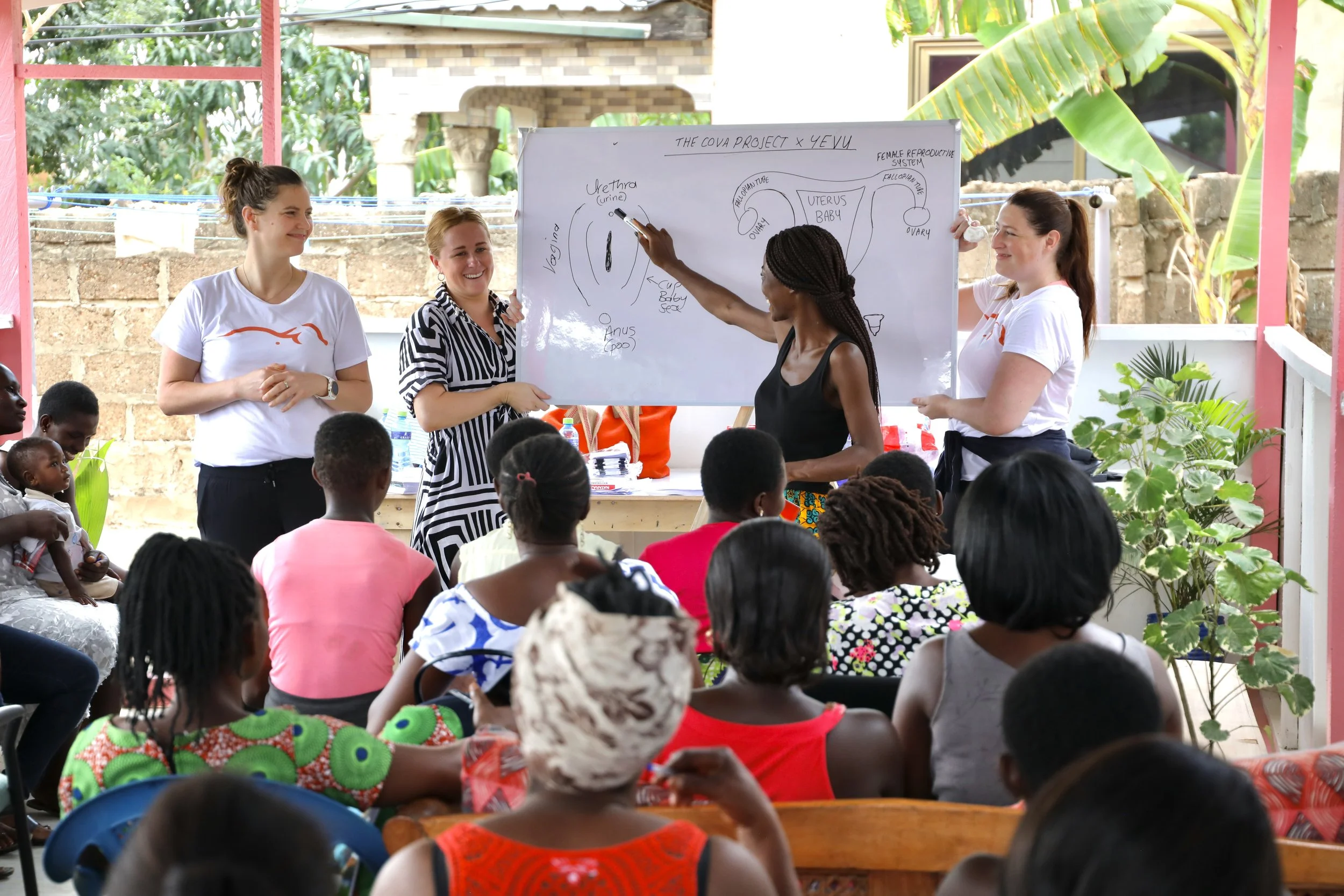
At The Cova Project, we've witnessed this transformation firsthand across Liberia, Ghana and Uganda. Our approach is simple: provide girls with the tools they need to stay in school. In practice, that means distributing menstrual cups. Small, sustainable solutions to one of the biggest barriers keeping girls out of classrooms.
Geena Dunne, Founder of The Cova Project says, "We provide the tools girls need to stay in school, but the staying in school is all up to them. What we've seen consistently is that just by providing a menstrual cup, we are seeing more girls than boys graduating at those schools. Going from token female students to a larger female graduating class than male graduating class, is a testament to how badly girls want to stay in school, how badly they want to participate, how badly they want to be involved in a brighter future for themselves."
"I believe that is true empowerment. Giving girls the tools they need to achieve the goals they had already had for themselves."
This is why the Blair Caffrey Foundation has chosen to be a core supporter of The Cova Project. As parents of two daughters, Mel Caffrey and Craig Blair understand that the future is brighter when everybody has equal opportunity. Their support isn't about charity, it's about creating a world where girls, no matter where they're born, are given the same shot at success.
"We support The Cova Project because we believe in giving girls a fair shot," says Melanie Caffrey. "As a family with daughters, we know how much potential is wasted when half the population faces unnecessary barriers to education. The work The Cova Project does is so sustainable, and so clearly impactful. This is the kind of investment that doesn't just change individual lives, it changes communities, economies, and futures."
The answer is clear: invest in advancing girls within communities where those girls can then stand up, move into leadership roles, and advance those communities themselves. This is sustainable development. We're not plugging holes in boats when more leaks will just appear. We're putting tools in the hands of people who can plug those leaks themselves, who can build better boats, who can navigate rough waters and bring their communities with them.
Around the world, some of the most respected philanthropists are showing us what bold leadership looks like. Melinda French Gates announced in 2024 a $1 billion commitment to advance women's power and influence globally, including $250 million specifically for women's health. MacKenzie Scott has donated more than $19 billion since 2020, with significant portions dedicated to gender equality and women-led organisations. "I want to see women everywhere making decisions, controlling resources, and shaping policies and perspectives." French Gates said.
These aren't acts of charity. They're strategic investments in the most powerful lever for global development we have: women and girls.
To Australia's leading philanthropists: this is your moment to join them. International Women's Day 2026 is the day of action to do it.
"This IWD, I would like to challenge my fellow philanthropists to audit their giving strategies and ensure there's a gender lens applied across their portfolios," says Melanie Caffrey. "Because the investment in gender equality isn’t just an investment in girls, it's in a better world for everyone."
Less than 2% of philanthropic giving goes to women and girls. But with your support, we can change that statistic. Because the question isn't whether we can afford to invest in women and girls. The question is whether we can afford not to.

About the Authors:
Geena Dunne is Founder and CEO of The Cova Project. A global menstrual health organisation that eliminates period poverty by distributing menstrual cups and delivering reproductive health education across Liberia, Ghana, Uganda, and Australia.
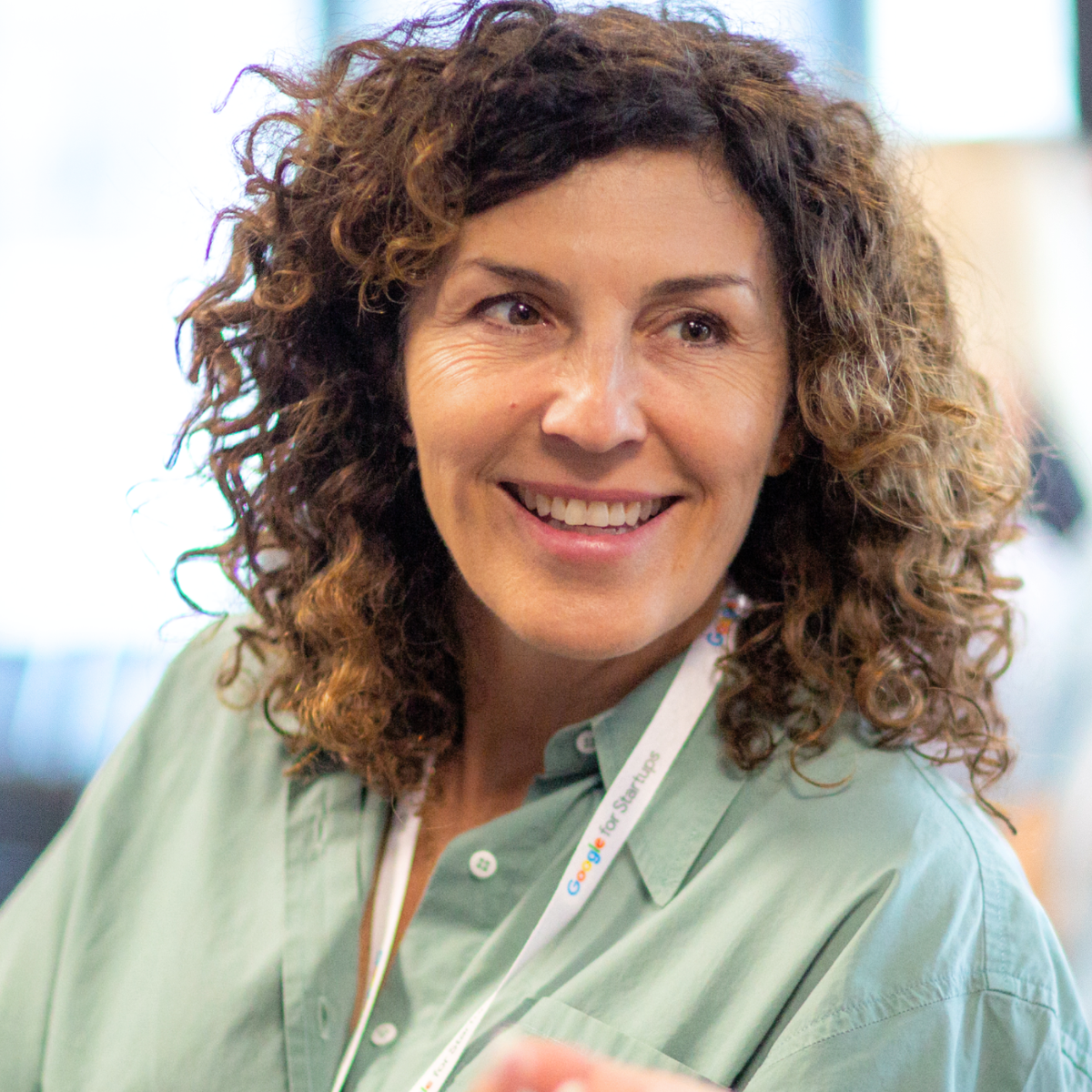
Melanie Caffrey is a Director of the Blair Caffrey Foundation and an Advisory Board Member of The Cova Project.